A ramen shop rated highly on various gourmet websites, 10 people lined up before the restaurant opened at 11:30 a.m. The place was full as soon as the doors opened, with 3 people waiting to get in right away. While waiting in line, the staff asks you to buy a meal ticket from the ticket vending machine at the entrance. Payment is by cash only. ◎White soy sauce and pepper ramen with extra meat: 1,300 yen If you order extra meat, pork, chicken, or duck chashu pork is added to the ramen. The pork and chicken chashu are included in regular ramen, but the duck chashu is only available if you order extra meat, so extra meat is a must. The chicken chashu is juicy and moist, and the duck chashu is thick and full of flavor. The soup is well-balanced, with a mild flavor and delicious sansho (Japanese pepper). I could not stop scooping it up with a bamboo ladle until I had finished it. The noodles are thin and straight. They go well with the soup and have a nice smooth texture.
Overview
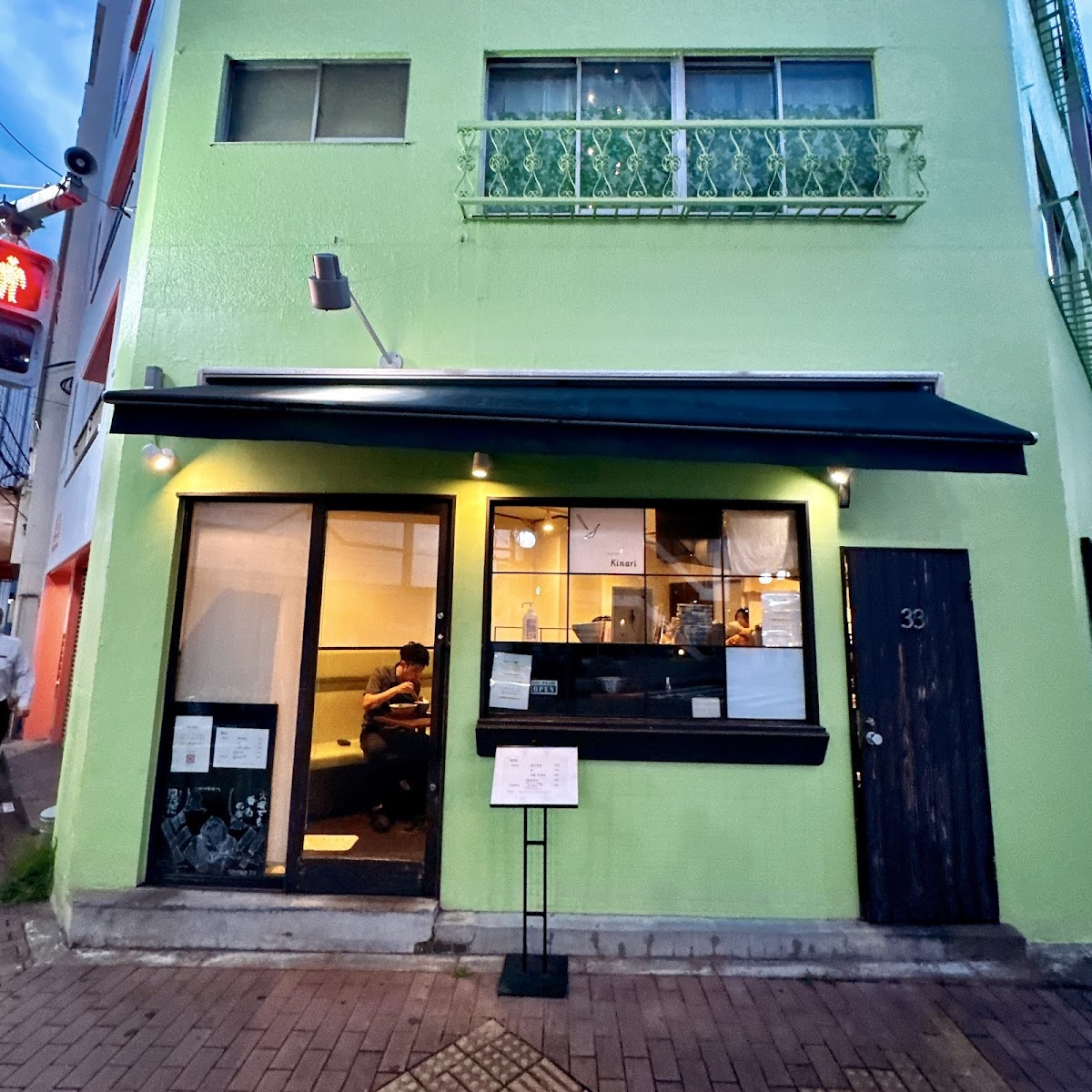
The first time I walked into Mendokoro Kinari, tucked along a quiet stretch near Higashi-Nakano Station at 1 Chome-51-4 Higashinakano, Nakano City, Tokyo 164-0003, Japan, the thing that hit me wasn’t the aroma-though that came fast-but the calm confidence of the place. No flashy signs, no gimmicks. Just a small diner, a clean counter, and a menu that clearly knows what it wants to be.
I’ve eaten ramen across Tokyo for years, from late-night bowls in Shinjuku to experimental kitchens in Shimokitazawa, and this shop sits firmly in the school of restraint. The menu is focused, which is usually a good sign. Shoyu ramen, shio ramen, tsukemen, and a few carefully chosen toppings. That’s it. The broth here is where things get serious. Based on what the staff explained during one visit, the soup is built in stages: chicken bones simmered low and slow, dried fish added later, and aromatics introduced near the end to keep their fragrance intact. This layered approach lines up with methods often discussed by members of the Japan Ramen Association, who emphasize temperature control and timing as critical factors in clarity and depth.
The noodles deserve their own moment. They’re medium-thin, straight, and made to hold just enough broth without going limp. I once asked why they didn’t switch to thicker noodles like many modern ramen shops do, and the answer was refreshingly simple: balance over trend. That philosophy shows up in every bowl. Nothing shouts. Everything works together.
Reviews from both locals and visiting food writers often mention consistency, and that’s not accidental. According to data shared by the Tokyo Ramen Show organizers, repeat customers rank broth stability as one of the top three factors for loyalty, right alongside portion size and service. Mendokoro Kinari clearly understands this. I’ve visited on rainy afternoons and busy weekend evenings, and the flavor profile stays remarkably steady.
What also stands out is how the toppings are treated as supporting actors, not distractions. The chashu is sliced thick but remains tender, with fat rendered just enough to melt into the soup. The ajitama egg has a jammy center that tells you it’s been marinated with care, not rushed. Even the green onions are cut to size so they add freshness without overpowering the broth.
Location matters too. Being slightly removed from the tourist-heavy ramen corridors means the crowd is a mix of neighborhood regulars and curious diners who did their homework. That shows in the atmosphere. People eat quietly, appreciatively. Conversations are low. Slurping is enthusiastic but respectful. It feels like a place built for people who actually love ramen, not just photographing it.
From an industry perspective, this kind of diner reflects a broader shift noted by food researchers at organizations like Michelin Guide Japan, which has observed a growing appreciation for technically precise yet understated ramen shops. Mendokoro Kinari fits that mold perfectly, even without chasing awards or hype.
Of course, no place is perfect. Seating is limited, and during peak hours you may wait outside. The menu doesn’t cater much to dietary restrictions, which could be a limitation for some diners. Still, the transparency about ingredients and preparation builds trust, and staff are open when asked questions.
If you care about craft, process, and flavor that unfolds rather than explodes, this is the kind of restaurant that stays with you long after the bowl is empty.
Good to know
Service options
✓ Dine-in ✓ Delivery ✓ TakeawayPopular for
✓ Lunch ✓ Dinner ✓ Solo diningAccessibility
✓ Wheelchair-accessible car park ✓ Wheelchair-accessible entrance ✓ Wheelchair-accessible seating ✓ Wheelchair-accessible toiletOfferings
✓ Alcohol ✓ BeerDining options
✓ Lunch ✓ DinnerAmenities
✓ ToiletAtmosphere
✓ Casual ✓ QuietPlanning
✓ Accepts reservationsPayments
✓ Cash only ✓ PayPay ✓ Transit IC cardsParking
✓ Paid parking lot ✓ Paid street parkingPhotos
Location
Reviews
I think the tastes of their ramens are favored by women. The soups have elegant tastes . The egg is also tasty. I definitely will go there again for ramen.
Really good Shoyu Ramen restaurant. The restaurant itself is very chic and stylish. Feels almost like you're in a cafe with jazz playing in the background and wine bottles decorated around the store. Staff is very friendly and quick. Ramen itself is very good. The broth is flavorful and toppings are on point. My only complaint was that the duck was not as good as other reviews have mentioned. The ramen itself though was very good!
It was a great ramen to be fair, but the atmosphere felt a little off for a ramen store. Felt more like a coffee shop or a diner. The broth was light but flavorful and the noodles were artisanal made. The only minus regarding food was the chashuu, I've had much better in cheaper places. Also not photography allowed is a bad rule.
Tasty soup and noodles, and very tasty meat. Nice service. No Wait ng on Sunday evening.
Was wayy better than what I expected. This is the type of smaller, delicate japanese ramen. I got the 醤油 ramen, which was good by itself, but the あえ玉 was great too! Should of got a full size あえ玉